

Looking ahead, Singapore’s property market is entering a phase where growth is expected to be steadier, more selective, and increasingly driven by structural demand rather than short-term speculation. Between 2026 and 2030, several key forces will shape how prices, rents, and investment opportunities evolve.
For investors, understanding forward demand trends is more important than reacting to past performance.
Shift Toward Sustainable Demand Growth
The next growth phase of Singapore property is expected to be more sustainable rather than rapid. Government policies continue to emphasize long-term stability, preventing extreme price spikes or sharp corrections.
This means future price growth is likely to be gradual but consistent, especially in well-located residential areas.
Investors should expect fewer “quick wins” and more long-term compounding value.
Population and Workforce Expansion Trends
One of the strongest demand drivers remains population growth and workforce expansion. Singapore continues to attract foreign talent, global businesses, and skilled professionals.
This creates steady housing demand across both ownership and rental markets.
However, demand will be more segmented, with different property types attracting different demographic groups.
Rise of Decentralized Living Hubs
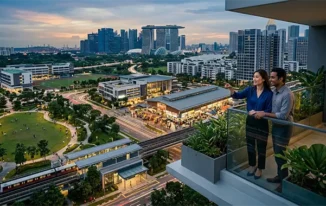
Between 2026 and 2030, decentralization will continue reshaping demand patterns. More regional hubs will mature, reducing reliance on traditional central districts.
This will create multiple “mini-markets” across Singapore, each with its own pricing dynamics.
Properties located near these hubs are likely to benefit from stronger long-term demand.
Rental Market Stabilization
After periods of rapid rental growth, the market is expected to stabilize. While rents are unlikely to fall significantly, growth will be more moderate.
Tenant expectations will continue to rise, making quality, location, and amenities increasingly important.
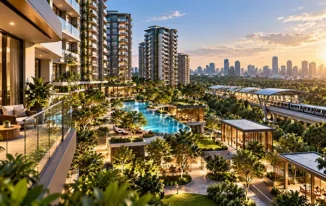
Well-designed developments such as Lucerne Grand are expected to remain competitive due to their alignment with modern tenant preferences.
Interest Rate Normalization Impact
Interest rates are expected to stabilize over the medium term, although they may remain higher than historical lows.
This normalization will reduce extreme buying pressure but support more balanced investment decisions.
Investors will increasingly focus on affordability and long-term holding capacity rather than aggressive leverage.
Supply Absorption and Market Balance
A significant amount of new supply is expected to enter the market over the next few years. However, strong underlying demand should allow gradual absorption.
Well-located projects will absorb faster, while less strategic locations may experience slower uptake.
Market balance will depend heavily on location quality and infrastructure support.
Capital Growth Expectations
Capital appreciation is expected to continue, but at a more moderate pace compared to previous decades.
Growth will be driven more by infrastructure development and localized demand rather than broad market speculation.
Investors should expect differentiated performance across districts rather than uniform growth.
Lifestyle-Driven Property Demand
Lifestyle expectations will play a larger role in property selection. Buyers and tenants are increasingly prioritizing:
- Connectivity
- Wellness facilities
- Green spaces
- Integrated living environments
This shift will continue to favor modern developments and well-planned communities.
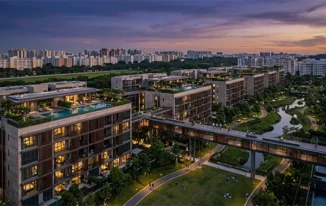
Properties such as Island Residences are likely to benefit from this trend due to their lifestyle-oriented design and residential appeal.
Technology and Smart Living Integration
By 2030, smart home features and digital integration will become standard expectations rather than premium add-ons.
Developers that fail to incorporate technology-driven living solutions may struggle to remain competitive.
This includes automation systems, energy efficiency features, and digital property management tools.
Foreign Investment Stability
Foreign investment is expected to remain stable but controlled due to regulatory measures. While demand from international buyers will continue, it will not dominate the market as in some global cities.
This ensures a balanced market structure and reduces volatility.
Key Risks to Watch
Despite stable outlook conditions, investors should still monitor several risks:
- Global economic uncertainty
- Interest rate volatility
- Policy tightening measures
- Localized oversupply in specific districts
These factors can influence short-term performance even in a stable long-term market.
Final Thoughts
From 2026 to 2030, Singapore’s property market is expected to remain stable, structured, and fundamentally strong. However, growth will be more selective and driven by location, infrastructure, and lifestyle demand rather than broad-based speculation.
Investors who adapt to this environment by focusing on quality assets and long-term holding strategies will be best positioned for success.Developments such as Lucerne Grand and Island Residences reflect the type of modern residential assets that align with future demand trends and evolving buyer expectations.