How to Hire a Professional Shopper for Luxury Fashion Sourcing

In the rarefied world of luxury fashion, the gap between “having the budget” and “having the item” is often bridged by a single person: the professional luxury sourcing specialist. For high-net-worth individuals and collectors, the acquisition of rare, limited-edition, or high-value fashion is not merely a shopping trip—it is an exercise in logistics, authentication, and exclusive access.

Hiring a luxury sourcing specialist is significantly different from hiring a standard personal shopper. You are not looking for someone to help you navigate a department store; you are looking for a highly connected operative who can navigate waitlists, bypass geographic barriers, and ensure the absolute authenticity of your assets.

Defining the Role: Sourcing Specialist vs. Personal Shopper

It is vital to distinguish between these two roles. A general personal shopper focuses on styling, color theory, and wardrobe organization. A Luxury Sourcing Specialist functions more like an investment consultant. Their primary value proposition …
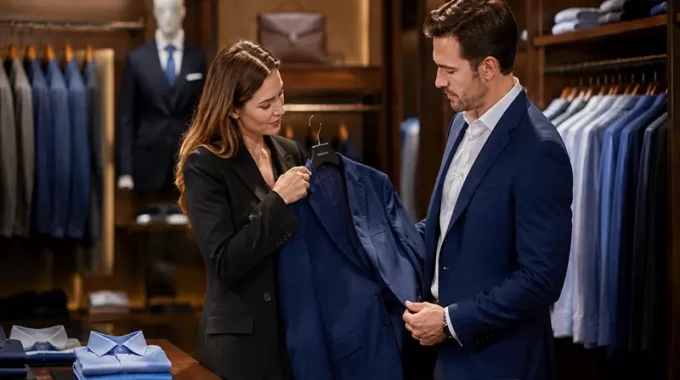

Professional Personal Shopper Services for Executive Corporate Wardrobes

In the world of high-stakes business, your presence speaks before you do. For C-suite executives, board members, and high-level managers, a wardrobe is not merely a collection of clothing—it is a strategic asset. It serves as visual shorthand for your competence, your attention to detail, and your leadership style.

However, the reality of executive life is that time is your most finite resource. The burden of “decision fatigue”—the mental energy spent choosing what to wear, coordinating dry cleaning, managing tailoring, and staying ahead of seasonal trends—can detract from your ability to focus on high-level decision-making. This is where professional personal shopping services for executive wardrobes become an essential business tool, not a luxury.

The Strategic Value of Executive Styling

Engaging an executive personal shopper is an investment in your personal brand. When you delegate your wardrobe management, you are not just outsourcing shopping; you are bringing in a consultant to …

How to Get High-Paying Clients for a Personal Shopper Business

To move from styling for the masses to serving high-net-worth (HNW) clients, you must fundamentally change how you view your business. High-paying clients are not looking for someone to help them find a sale rack or pick out an outfit for a Friday night out. They are looking for someone to manage a complex, time-consuming, and highly visible part of their lifestyle.

When you transition to the luxury market, you stop selling “shopping” and start selling time, discretion, and social capital. If you are ready to price yourself into the room, here is how to pivot your business toward the high-end market.

Phase 1: The Luxury Perception Audit

High-paying clients judge you before they ever speak to you. In the luxury market, perception is reality. You must conduct a ruthless audit of your digital and physical presence.

  • Elevate Your Aesthetics: Does your website look like a blog, or a high-end

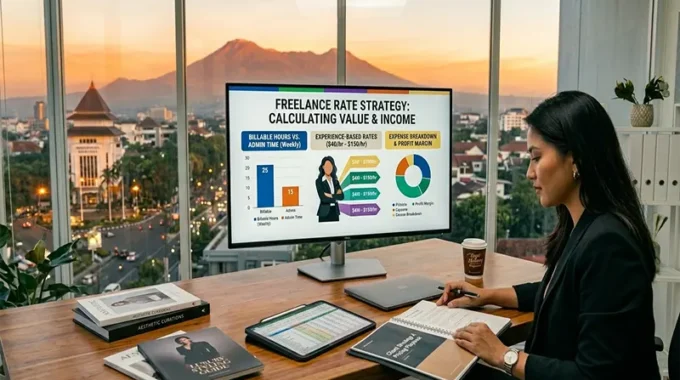
How Much Do Freelance Professional Shoppers Charge Per Hour

One of the most common questions aspiring stylists face is the “pricing mystery.” If you scan the internet, you will find personal shoppers charging anywhere from $25 to $500 an hour. This variance can be paralyzing for someone trying to launch a business.

The truth is that there is no universal hourly rate because “personal shopping” is an umbrella term that covers a vast range of services—from running grocery errands to high-end wardrobe curation for celebrities. To price your services effectively, you must understand the market tiers and move beyond the hourly billing model toward a value-based strategy.

The Price Spectrum: Where Do You Fit?

Pricing is generally tiered based on experience, location, and the perceived level of expertise. While these ranges fluctuate by market (New York City rates will naturally be higher than those in a smaller rural town), they serve as a standard baseline:

  • Entry-Level (The “Getting Started”

How to Become a Professional Personal Shopper with No Experience

Many people believe that to be a professional personal shopper, you need a degree in fashion design or years of experience at a high-end department store. While formal training can be a benefit, the heart of this industry is not just about clothes—it is about problem-solving. People hire personal shoppers because they lack the time to curate a wardrobe, they struggle with confidence in their personal style, or they simply don’t know how to navigate the overwhelming choices of modern retail.

If you have a sharp eye for style and a passion for helping others, you have the foundation. Here is how to turn that passion into a professional business, even if you are starting from zero.

Common Myths vs. Reality

  • Myth: You need a massive fashion portfolio to start.
    • Reality: You need a clear aesthetic and the ability to listen to a client’s needs. Your portfolio can be built