

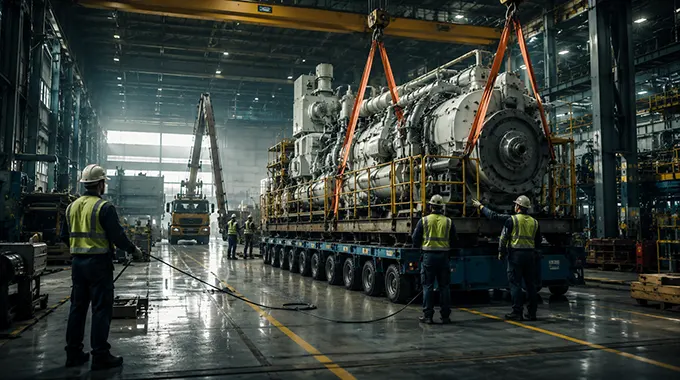
Relocating an industrial facility is one of the most complex projects an organisation can undertake. Unlike a standard business move, an industrial relocation often involves heavy machinery, specialised production equipment, integrated systems, strict safety requirements, and carefully coordinated timelines. For many businesses, every hour of downtime can affect production schedules, customer commitments, revenue, and operational efficiency. This is why industrial plant relocation services play such an important role in helping organisations move facilities while minimising disruption and maintaining business continuity.
Whether a company is expanding into a larger location, consolidating operations, modernising facilities, or moving closer to suppliers and customers, relocation projects require detailed planning and execution. The challenge is not simply transporting equipment from one site to another. The real objective is to ensure that operations can resume as quickly and efficiently as possible while protecting valuable assets throughout the process.
One of the primary ways industrial plant relocation services help minimise downtime is through comprehensive project planning. Successful relocations rarely happen by chance. They are typically the result of extensive preparation that begins long before any equipment is moved. Relocation specialists work with facility managers, engineers, operations teams, and other stakeholders to develop detailed plans that identify every stage of the move.
This planning process often includes evaluating existing equipment layouts, assessing transportation requirements, identifying critical production assets, and creating realistic schedules for disassembly, transport, installation, and commissioning. By anticipating challenges before the move begins, organisations can reduce unexpected delays that might otherwise extend downtime.
A major advantage of working with experienced relocation professionals is their ability to sequence activities effectively. Not all equipment needs to be moved at the same time, and some systems may be more critical to production than others. Careful sequencing allows organisations to prioritise essential equipment and develop strategies that support a faster return to operation.
In many cases, relocation teams create phased approaches that minimise disruption to production activities. Rather than shutting down an entire facility for an extended period, certain operations may continue while other areas are being prepared for relocation. This strategic approach can significantly reduce the overall impact of the move.
Equipment documentation is another important factor in minimising downtime. Industrial facilities often contain complex machinery with numerous interconnected components, control systems, electrical connections, and support infrastructure. Without accurate documentation, reinstallation can become significantly more difficult and time-consuming.
Industrial plant relocation services frequently include detailed labelling, inventory management, and documentation procedures designed to support efficient reassembly. Every connection, component, and system can be carefully recorded before disassembly begins. This attention to detail helps ensure that equipment can be reinstalled correctly and brought back online more quickly.
The disassembly process itself requires specialised expertise. Industrial equipment is often expensive, highly engineered, and critical to production operations. Improper disassembly can result in damage, extended delays, or costly repairs. Experienced relocation professionals understand how to dismantle machinery safely while preserving its integrity.
By following established procedures and using appropriate tools and equipment, relocation teams help protect valuable assets throughout the move. Avoiding damage is essential because repairs or replacement parts can significantly extend downtime and increase project costs.
Transportation logistics also play a crucial role in maintaining project timelines. Industrial equipment frequently includes oversized, heavy, or highly specialised components that require careful handling. Moving these assets involves much more than arranging standard freight services.
Industrial plant relocation services often include transportation planning that addresses route selection, permitting requirements, equipment protection, loading procedures, and delivery scheduling. Effective logistics management helps ensure that equipment arrives at the new location on time and in the condition necessary for rapid installation.
Preparation of the destination facility is equally important. One common cause of relocation delays occurs when the new site is not fully ready to receive equipment. Utility connections, foundations, structural modifications, and infrastructure requirements must often be completed before installation can begin.
Experienced relocation teams work closely with project stakeholders to coordinate these activities and ensure that the destination facility is prepared according to schedule. This coordination reduces waiting periods and allows installation activities to begin as soon as equipment arrives.
Installation expertise is another key factor in minimising downtime. Once equipment reaches its new location, it must be positioned, connected, aligned, tested, and integrated into the facility’s broader operational systems. This process can be highly technical, particularly when dealing with automated production lines or complex manufacturing environments.
Industrial plant relocation services provide specialised knowledge that supports efficient installation and system integration. Teams familiar with industrial machinery can often identify potential issues early and address them before they affect project schedules.
System commissioning is often one of the most critical stages of the relocation process. Before production can resume, equipment must be tested to verify that it is functioning correctly and safely. Mechanical systems, electrical infrastructure, automation controls, and operational processes all require careful evaluation.
A structured commissioning process helps ensure that equipment performs as expected while reducing the likelihood of unexpected issues after production restarts. Thorough testing may require additional effort initially, but it often prevents longer periods of downtime later by identifying concerns before full-scale operations resume.
Communication is another area where professional relocation services provide significant value. Industrial relocations typically involve numerous stakeholders, including facility managers, engineers, contractors, equipment manufacturers, transportation providers, and operations personnel. Without effective communication, misunderstandings and delays can quickly emerge.
Relocation teams often serve as central coordinators, ensuring that information flows efficiently between all parties involved. This level of coordination helps maintain alignment throughout the project and reduces the risk of scheduling conflicts or duplicated efforts.
Risk management is equally important when minimising downtime. Every relocation project involves potential challenges, including transportation delays, equipment issues, weather conditions, regulatory requirements, and unforeseen site conditions. While not every risk can be eliminated, proactive planning can significantly reduce their impact.
Industrial plant relocation services frequently include contingency planning designed to address potential disruptions before they occur. Having alternative strategies in place allows organisations to respond more effectively when challenges arise and helps keep projects moving forward.
Another important advantage is access to specialised equipment and resources. Industrial relocations often require cranes, rigging systems, heavy lifting equipment, transportation solutions, and technical expertise that may not be available internally. Professional relocation providers bring these resources together within a coordinated framework, allowing projects to proceed more efficiently.
The cumulative effect of these capabilities is a reduction in operational disruption. Every stage of the relocation process is designed to support a faster and smoother transition from one facility to another. While some downtime is inevitable during most industrial moves, effective planning and execution can significantly reduce its duration and impact.
Industrial relocations are often driven by positive business objectives such as expansion, modernisation, improved efficiency, or strategic growth. However, the benefits of a new facility can be diminished if excessive downtime affects production and customer commitments. Minimising disruption is therefore a critical priority for organisations undertaking these projects.
Industrial plant relocation services provide the expertise, coordination, planning, and technical support necessary to achieve this objective. From initial project planning and equipment documentation to transportation, installation, commissioning, and risk management, every aspect of the process contributes to reducing downtime and supporting operational continuity.
As industries continue to evolve and facilities adapt to changing business requirements, the demand for efficient relocation strategies is likely to remain strong. Organisations that invest in professional relocation services are often better positioned to complete complex moves successfully while protecting productivity, maintaining customer confidence, and returning to full operation as quickly as possible.