
Premium residential projects in Singapore are often distinguished by more than impressive entrances or high-end finishes. The strongest developments combine thoughtful architecture, quality construction, useful amenities, privacy, and a well-considered relationship with the surrounding neighborhood. While standard developments can provide comfortable homes and practical facilities, premium projects typically place greater attention on the details that shape everyday living. For buyers comparing different properties, understanding these distinctions can make it easier to assess whether a development offers genuine quality rather than relying on presentation alone.
Design Goes Beyond Appearance
Premium residential design begins with how a property works for its residents. Well-proportioned rooms, efficient layouts, natural light, ventilation, quality materials, and thoughtful circulation can contribute to a more comfortable home.
Architectural character also matters, but visual appeal should support practical living. Buyers should examine how spaces can be furnished, how private areas are separated from communal zones, and whether the layout can accommodate changing household needs. A sophisticated design should remain functional after the initial visual impression has faded.
Construction Quality Matters Over Time
The quality of construction is one of the most important differences between properties. Premium developments generally place strong emphasis on materials, workmanship, building systems, and finishing standards.
Buyers should look beyond decorative details and consider windows, doors, flooring, waterproofing, fittings, drainage, and common areas. Good construction can contribute to durability and comfort over many years. For new projects, researching the developer’s completed developments and track record can provide useful context when assessing expected standards.
Privacy Can Define Premium Living
Privacy is an increasingly important consideration for buyers seeking a higher level of residential comfort. Unit density, building orientation, lift arrangements, entrance design, and landscaping can all affect how private a home feels.
Premium projects may use thoughtful planning to reduce unnecessary overlooking and congestion. Private lifts, carefully positioned entrances, and appropriate separation between communal facilities and residences can further enhance the experience. The objective is to create a home that feels connected to its surroundings without making residents feel constantly exposed.
Amenities Should Be Purposeful
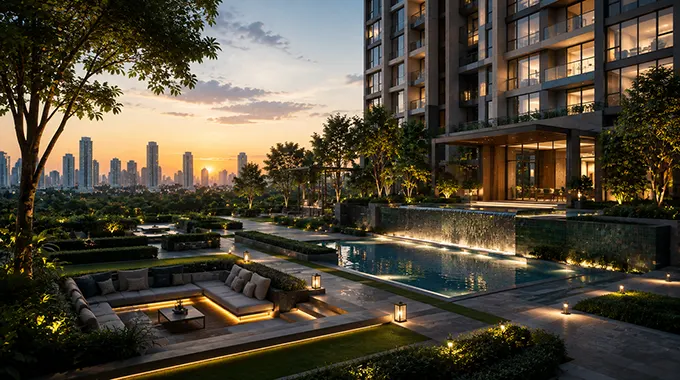
Premium developments often offer extensive facilities, but the value of amenities depends on their quality and usefulness. A beautifully designed swimming pool, well-equipped fitness center, landscaped garden, or elegant lounge can contribute meaningfully to daily life when residents can use it comfortably.
Projects such as The Serra Residences demonstrate why buyers may consider the quality and arrangement of facilities rather than simply counting the number of amenities. Well-planned spaces can support exercise, relaxation, entertainment, and family activities without making the development feel overcrowded.
Landscaping Creates a Stronger Environment
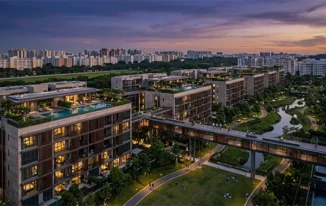
Landscaping can significantly influence how a residential development feels. Mature planting, shaded walkways, gardens, water features, and outdoor seating can soften architectural structures and create more pleasant shared spaces.
Good landscape design should also serve practical purposes. Trees can provide shade, planting can define different areas, and greenery can improve privacy between selected spaces. Buyers should consider how outdoor areas are positioned and whether they are likely to remain attractive and useful with proper maintenance.
Technology Adds Modern Convenience
Smart technology has become another feature associated with contemporary premium housing. Digital access, security systems, home automation, parcel management, and energy monitoring can simplify daily tasks.
The technology itself is less important than its reliability and usability. Buyers should ask whether systems are intuitive, secure, and capable of adapting as technology changes. Premium residential design should use technology to improve convenience rather than adding complicated features that residents rarely use.
The Neighborhood Complements the Development
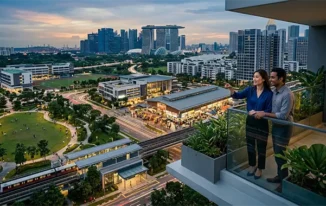
A premium project should be assessed in relation to its surroundings. Nearby transport, schools, healthcare, dining, shopping, parks, and recreational facilities can all contribute to the overall residential experience.
A beautifully designed development may still be inconvenient if residents need long journeys for basic services. Projects such as Dunearn Green illustrate why buyers may look at both the property and its wider neighborhood. A strong combination of internal quality and external convenience can create a more complete living environment.
Wellness Is Part of Modern Quality
Premium residential living increasingly includes facilities that support physical and mental well-being. Fitness centres, swimming pools, walking paths, gardens, relaxation areas, and spaces for low-impact activities can give residents more ways to maintain healthy routines.
The most effective wellness facilities are those residents can use regularly. Buyers should consider whether amenities are accessible, comfortable, and suitable for their actual lifestyle. A smaller selection of well-designed facilities may provide more value than numerous features that receive little use.
Management Protects the Experience
The quality of management can influence how a premium development performs after completion. Common areas, landscaping, security systems, lifts, recreational facilities, and building services all require regular attention.
Strong maintenance helps preserve both appearance and functionality. Buyers should therefore consider the likely management standards of a development rather than focusing only on its launch presentation. A premium property should ideally continue to provide a high standard of living well after residents move in.
Premium Should Mean Meaningful Quality
The distinction between premium and standard residential projects should ultimately be measured by the quality of the complete experience. Architecture, construction, privacy, amenities, landscaping, technology, wellness facilities, neighborhood access, and management all contribute to that experience.
home-buyers should avoid assuming that a higher price automatically means better quality. Instead, they should examine the features that genuinely affect daily life and long-term usability. A premium development earns its appeal when thoughtful details work together to provide comfort, functionality, privacy, and a residential environment that remains relevant as household needs evolve.